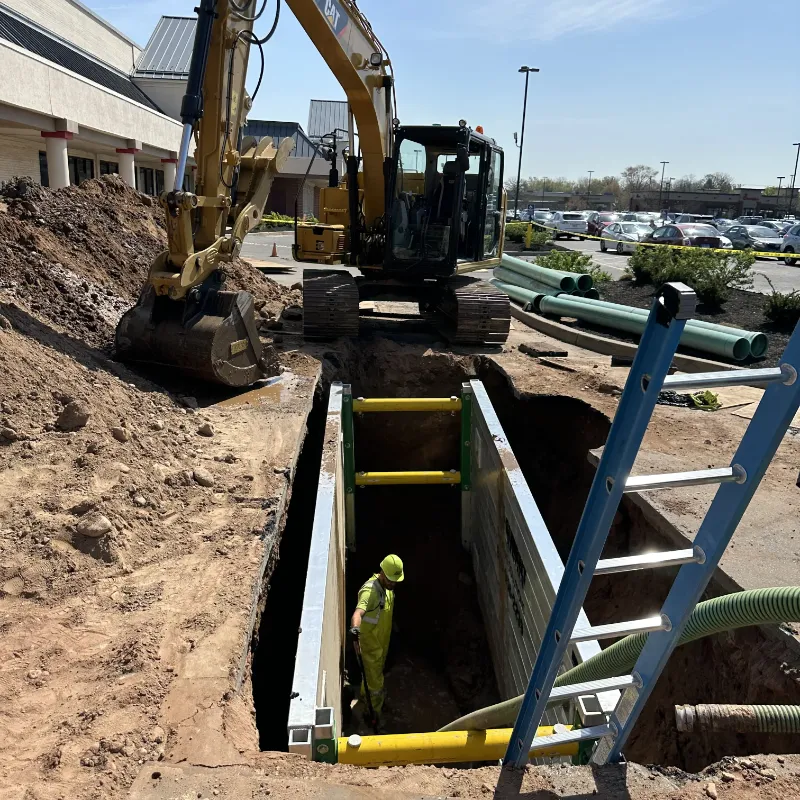
Emergency Sewer & Water Line Repairs | Same-Day Service Available! Fast, Reliable, and Ready 24/7.
- Home
- Hartford, CT
Welcome to MRC Excavation and Construction, LLC, your premier general contractor serving the vibrant city of Hartford, CT, and the surrounding areas. With over 12 years of industry experience, we are dedicated to providing exceptional excavation and construction services to our valued residential and commercial clients.
At MRC Excavation and Construction, LLC, we take pride in our commitment to delivering superior craftsmanship and customer satisfaction. Our team of licensed and certified professionals specializes in a wide range of services, and we’re proud to be the area’s go-to concrete foundation contractors, site work contractors, concrete patio contractors, drainage contractors, and dry well concrete experts.
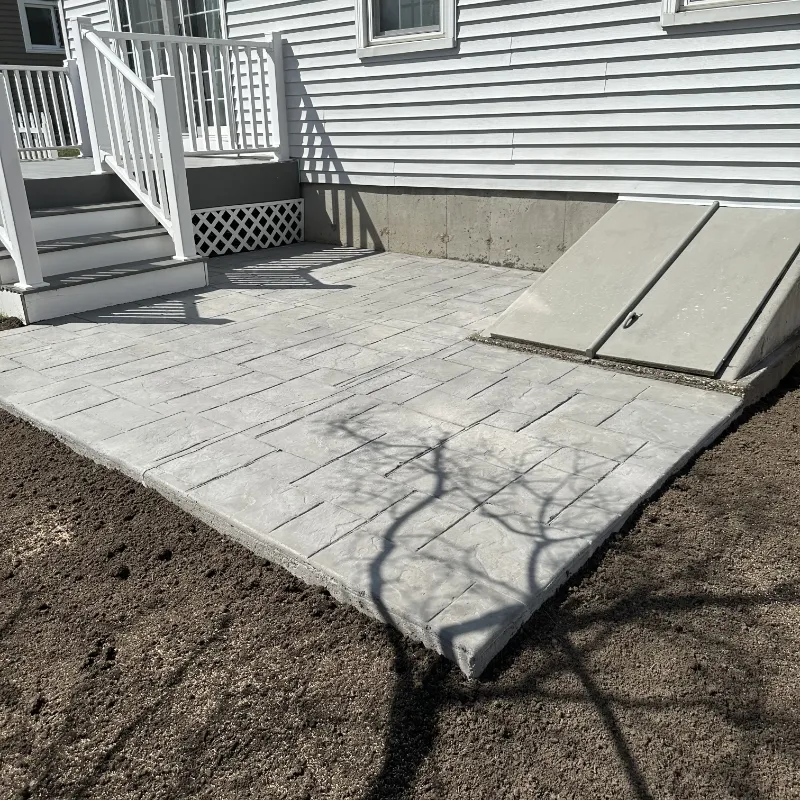
Whether you’re planning a new construction project or require renovations for your existing property, our skilled team is here to help. We prioritize open communication and collaborate closely with our clients to ensure that their vision is brought to life. With our expertise and attention to detail, we guarantee a seamless and efficient construction experience.
Hiring a general contractor is a crucial step in any construction or renovation project. Whether you’re building a new home, upgrading a commercial facility, or improving infrastructure like sewer services or gas lines, the right contractor will make all the difference in quality, timelines, and cost control. But before signing any contracts or making verbal commitments, there are important factors you need to consider to ensure you’re working with a legitimate and capable professional.
From site work contractors to concrete foundation contractors, the general contractor you hire will coordinate all the specialized trades, ensuring the work flows efficiently and safely. Let’s explore what you should think about before making your final decision.
1. Verify Licensing, Insurance, and Certifications
The first and most critical factor is legitimacy. Any reputable general contractor should be properly licensed in your state or region. Licensing ensures they meet the minimum legal requirements and industry standards.
Additionally, the contractor should carry liability insurance and workers’ compensation. This protects both you and the workers if an accident occurs. Without it, you could be held responsible for injuries or property damage.
If you’re working on a project involving new construction services, sewer line services, or excavation, make sure the contractor is experienced with the necessary safety and regulatory requirements.
2. Assess Their Experience and Specialization
Not all contractors are created equal. Some specialize in residential builds, while others focus on commercial or industrial jobs. Hiring a contractor who is experienced with your type of project—whether it’s a commercial building contractor or a concrete patio contractor—is essential.
For example:
3. Check References and Reviews
A legitimate contractor will be happy to provide references from past clients. Ask for a portfolio of completed projects and contact information for past customers. Don’t just ask if they were happy—dig deeper:
Also, take time to check online reviews. Look for consistent feedback about quality, reliability, and customer service. This is particularly important for contractors working with specialized services like drainage contractors or trenching companies, where hidden issues can arise later if the work isn’t done correctly.
4. Understand the Scope of Work
Before hiring a general contractor, clearly define your project’s scope. What are your priorities—speed, quality, budget, or something else?
Make sure the contractor has a solid understanding of the work required and can handle all relevant trades. Projects that involve site development services, asphalting services, or sewer installations often require coordination between multiple subcontractors. Your general contractor should manage those relationships and timelines seamlessly.
A complete project scope also helps you compare quotes accurately between multiple contractors.
5. Get a Written, Detailed Contract
Avoid vague or verbal agreements. A written contract should outline:
If your project includes foundation work from commercial foundation contractors or site work contractors, all terms should be spelled out. The contract protects you if something goes wrong, and it also sets clear expectations for performance and deliverables.
6. Discuss Project Management and Communication
Ask how the contractor manages jobs day-to-day. Who will be on-site supervising? How frequently will you receive updates?
Good communication is a sign of professionalism. A legitimate general contractor will respond promptly to questions, provide regular progress reports, and be transparent about any delays or budget changes.
For projects involving drainage solutions, trenching, or concrete slab preparation, prompt communication ensures problems are caught early and addressed before they escalate.
7. Review Budget and Payment Schedule
A trustworthy general contractor will provide a clear, itemized estimate. Watch out for unusually low bids—they may cut corners or hit you with surprise charges later.
Clarify when payments are due and tie them to specific project milestones. Never pay 100% upfront.
Projects that involve commercial site grading, water lines, or asphalting services often require a significant investment. Understanding the financial structure from the start prevents stress down the road.
8. Inspect Equipment and Crew Size
For larger projects, especially those involving excavation, utility installation, or site development, ask about the contractor’s equipment and labor force. Do they own their machinery? How many crew members will be on-site daily?
Contractors who lack sufficient resources may struggle to keep your project on track.
9. Ask About Permits and Inspections
Legitimate contractors handle all necessary permits and inspections. They know what’s required by your city or county and will manage the paperwork.
This is vital when working on infrastructure improvements like sewer line services, gas line installs, or foundation work, where strict building codes apply.
If a contractor tells you permits aren’t needed or suggests skipping inspections, that’s a major red flag.
10. Watch for Red Flags
Some warning signs to watch for include:
Your general contractor should make you feel confident, not rushed or confused.
Hiring a legitimate general contractor is not just about finding someone who can build or manage a project—it’s about finding a partner who understands the complexity of the job and can deliver results safely, on time, and within budget.
Whether your project involves concrete footing contractors, commercial foundation construction, drainage contractors, or site work, taking the time to vet your contractor properly will save you time, money, and stress.
From foundation work and site development to trenching, sewer services, and gas line installation, the right general contractor brings the experience and integrity needed to complete your project with lasting value.
When you choose MRC Excavation and Construction, LLC, you can trust that your project will be handled with the utmost professionalism and precision. Our goal is to not only meet but exceed your expectations, providing you with results that are built to last.
Contact us today to discuss your construction needs in Hartford, CT. Let us demonstrate why MRC Excavation and Construction, LLC is the name you can rely on for all your excavation and construction requirements.