
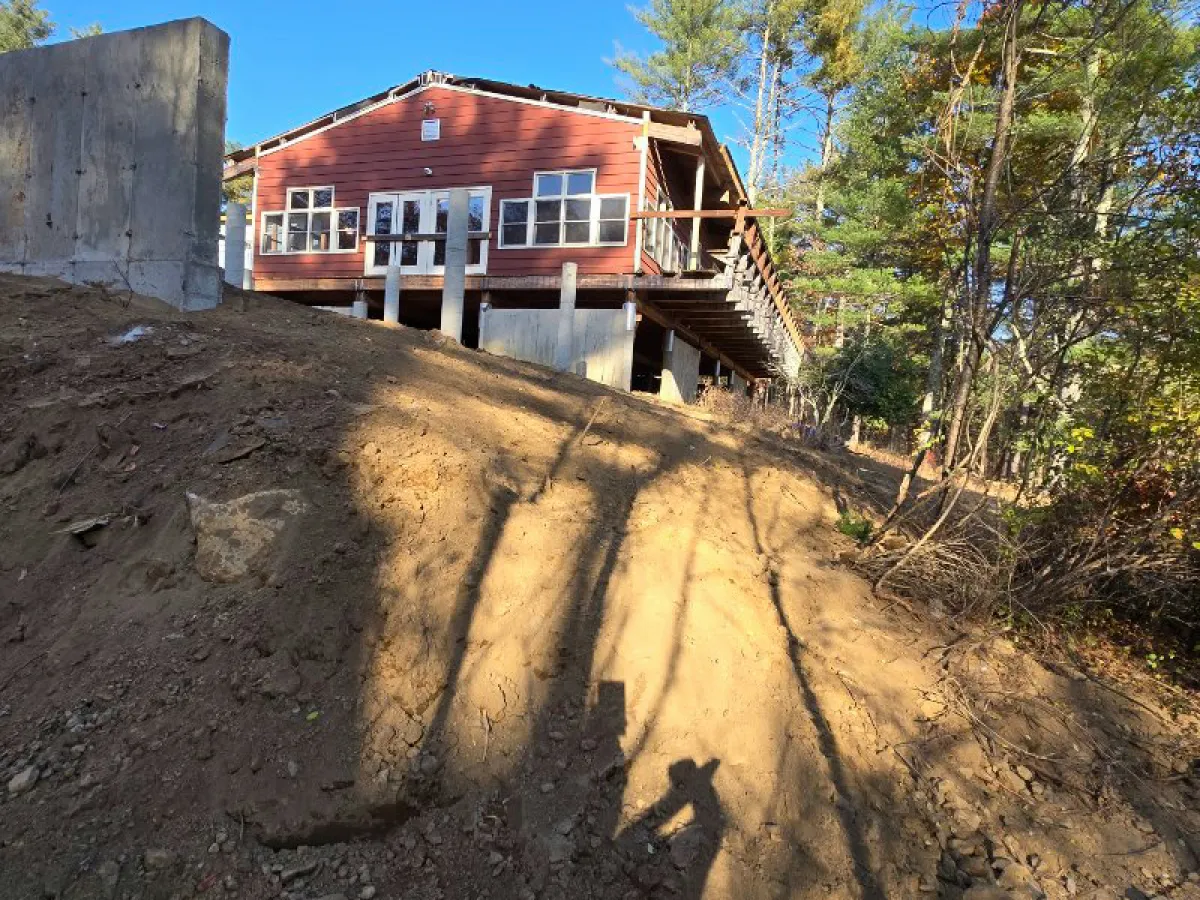
Skipping Thorough Site Assessment Before Breaking Ground
One of the most expensive mistakes occurs when contractors rush into digging without conducting a detailed site evaluation. In East Windsor, CT, soil composition varies significantly across properties, with some areas containing dense clay while others feature sandy or rocky substrata. These variations directly impact equipment selection, project timelines, and foundation stability.
A thorough site assessment reveals critical information about soil bearing capacity, existing underground utilities, groundwater levels, and potential environmental concerns. During spring thaw periods, many properties in the region experience elevated water tables that can compromise foundation work if not identified early. Property owners who skip this step often face unexpected costs when equipment gets stuck, foundations crack, or contaminated soil requires special disposal procedures.
Professional site evaluations include soil testing, utility location services, topographic surveys, and environmental screenings. These preliminary investigations typically represent less than five percent of total project costs but prevent issues that could increase expenses by thirty percent or more. Investing in proper assessment protects your budget and ensures regulatory compliance from the start.
Ignoring Underground Utility Locations
Striking underground utilities represents one of the most dangerous and costly errors in construction work. Gas lines, electrical conduits, water mains, telecommunications cables, and sewer systems run beneath most developed properties. A single mistake can trigger service disruptions, hazardous gas releases, electrical shocks, expensive repairs, legal liabilities, and substantial fines.
Connecticut law requires calling 811 at least two business days before any digging project. This free service coordinates with utility companies to mark underground infrastructure locations. However, the marking service only identifies public utilities up to the property line. Private utilities serving the property, including gas line connections, water service laterals, septic systems, and irrigation lines, require additional investigation by the property owner.
Beyond legal requirements, smart contractors verify utility locations through multiple methods. Ground-penetrating radar, electromagnetic locators, and hand digging test pits provide additional confirmation before heavy equipment operations begin. These precautions add minimal time to project schedules but prevent incidents that can halt work for days or weeks while repairs are completed and investigations are conducted.
Inadequate Planning for Water Management
Water management failures create cascading problems throughout construction projects. Without proper planning, excavations quickly fill with groundwater or storm runoff, destabilizing soil, damaging equipment, and delaying progress. In the Connecticut River Valley region, seasonal precipitation patterns mean that spring and late fall projects face particularly high moisture challenges.
Effective water management begins during initial planning phases. Contractors must evaluate natural drainage patterns, identify low points where water accumulates, and design temporary systems to control water movement during construction. This includes installing sump pumps in excavations, creating perimeter berms to divert surface water, establishing sediment barriers to prevent runoff pollution, and grading temporary access roads to prevent erosion.
Projects that ignore drainage requirements often experience foundation settlement, soil erosion that undermines adjacent structures, contaminated stormwater runoff that triggers environmental violations, and extended timelines while waiting for saturated soil to dry. Professional water management strategies protect structural integrity while keeping projects on schedule regardless of weather conditions.
Using Inappropriate Equipment for Site Conditions
Equipment selection directly impacts project efficiency, safety, and cost control. Contractors who arrive with inadequate machinery waste time, increase labor costs, and risk equipment damage. A compact excavator struggles in deep foundation work, while oversized equipment causes unnecessary site disturbance and may not fit in restricted access areas common to established neighborhoods.
Proper equipment matching requires understanding soil conditions, excavation depth and volume, site access constraints, proximity to existing structures, and material disposal requirements. Rocky soil demands equipment with greater hydraulic power and specialized attachments. Wet conditions require tracked machines that distribute weight and prevent sinking. Tight urban sites need compact equipment that maneuvers in limited spaces.
Beyond the primary excavator, supporting equipment matters equally. Adequate trucks for material removal prevent bottlenecks. Proper compaction equipment ensures backfill meets engineering specifications. Dewatering pumps with sufficient capacity handle groundwater inflow. Professional contractors maintain diverse equipment fleets and select machinery specifically matched to each project’s unique requirements, maximizing productivity while minimizing unnecessary costs.
Failing to Secure Proper Permits and Regulatory Approvals
Permit violations create legal and financial consequences that dwarf initial permit costs. Municipal building departments enforce regulations designed to protect public safety, environmental resources, and community standards. Projects that proceed without required approvals face stop-work orders, monetary penalties, mandatory restoration of unpermitted work, and potential difficulty selling the property in the future.
Connecticut construction regulations operate at state, regional, and local levels. Depending on project scope and location, you may need building permits, zoning approvals, wetlands permits, erosion and sediment control plans, stormwater management permits, and health department approvals for septic systems. Each approval process follows specific timelines and documentation requirements that must be integrated into project schedules.
Working with experienced contractors familiar with local regulatory requirements streamlines the approval process. They understand which projects require permits, how to prepare compliant applications, and how to coordinate inspections at critical project milestones. This knowledge prevents costly delays and ensures your project meets all legal requirements from planning through final inspection. Contact professional excavation specialists who handle permitting as a standard part of their project management process.