
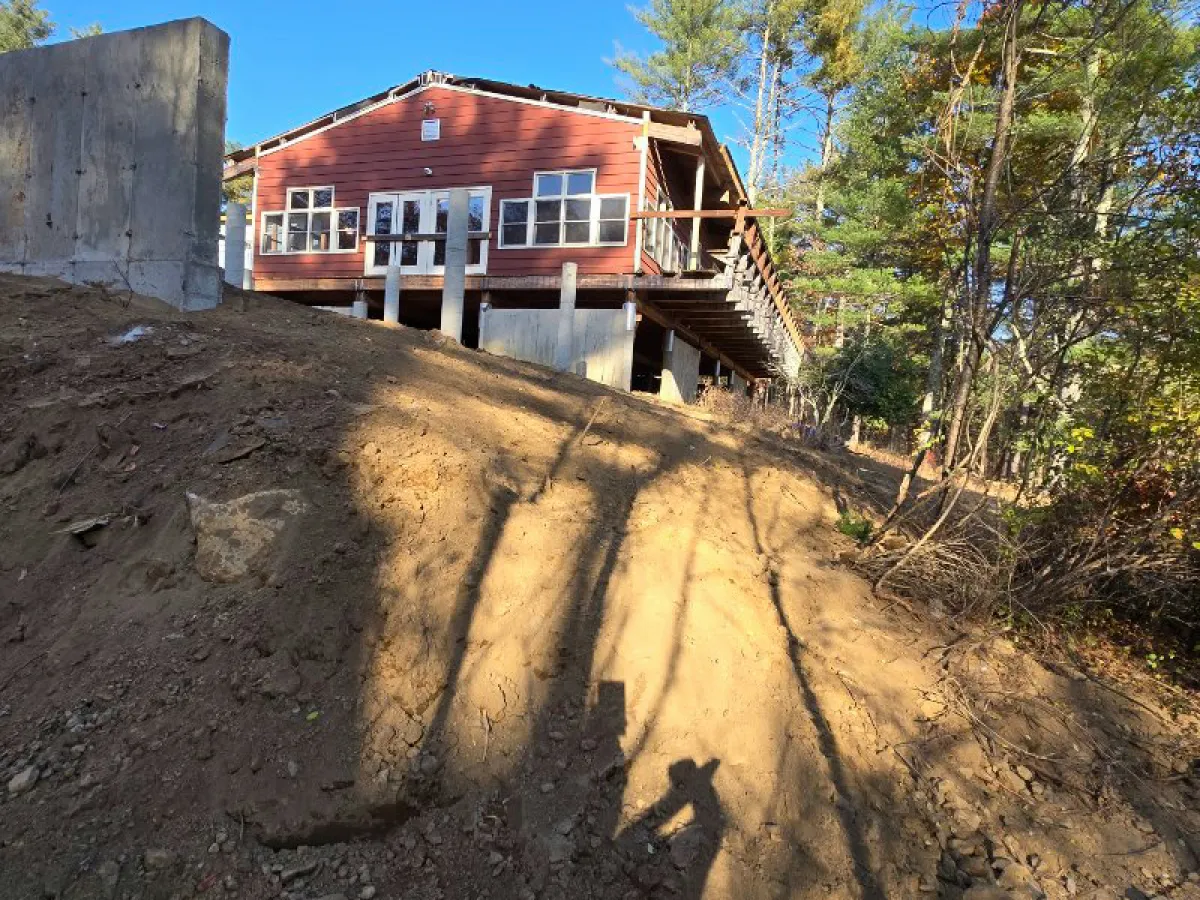
Skipping Proper Site Assessment
One of the most significant errors in any excavation project is beginning work without a thorough site assessment. Many property owners and contractors rush into digging, eager to keep their project moving forward, only to encounter unexpected obstacles that derail timelines and budgets.
A comprehensive site evaluation identifies critical factors including soil composition, existing underground utilities, water table levels, and potential environmental concerns. Soil type alone can dramatically affect equipment selection, excavation methods, and foundation stability. Clay-heavy soils in Connecticut expand and contract with moisture changes, creating challenges for foundation work and drainage systems. Sandy or loose soils may require additional shoring or stabilization measures to prevent collapse during excavation.
Failing to locate underground utilities before breaking ground represents a dangerous and costly oversight. Gas lines, water mains, electrical conduits, fiber optic cables, and sewer systems often run beneath properties, and striking these lines can result in service disruptions, environmental contamination, hefty fines, and serious safety hazards. Connecticut law requires contacting Call Before You Dig (811) at least two business days before any excavation work begins.
Water table assessment is equally critical. Excavating in areas with high groundwater levels without proper dewatering plans can flood trenches, destabilize surrounding soil, and compromise structural integrity. In the Suffield area, seasonal fluctuations in groundwater require experienced evaluation to determine the best timing and approach for excavation work.
Environmental concerns, including wetlands proximity, protected habitats, and contaminated soil, must be identified early. Connecticut has strict environmental regulations, and discovering these issues mid-project can halt work entirely while permits are obtained or remediation plans are developed. A proper site assessment conducted by qualified professionals prevents these expensive surprises and ensures your project stays on track from the first scoop of dirt to final grading.
Inadequate Drainage Planning
Water management stands as one of the most underestimated aspects of excavation work, yet poor drainage planning causes more long-term structural problems than nearly any other mistake. Many projects focus exclusively on the excavation itself while treating drainage as an afterthought, leading to foundation damage, erosion, flooding, and premature failure of hardscaping elements.
Proper drainage planning begins during the design phase, not after excavation is complete. The natural flow of water across your property must be carefully analyzed to determine where runoff originates, how it moves across the landscape, and where it should be directed. In Connecticut, we experience significant seasonal precipitation, from spring thaws and heavy rainstorms to winter snow accumulation. Without accounting for these weather patterns, excavation work can inadvertently create pooling areas, redirect water toward structures, or cause erosion that undermines foundations and retaining walls.
Surface drainage solutions include proper grading that slopes away from buildings, strategically placed swales to channel water, and catch basins that collect and redirect runoff. The standard recommendation is a minimum slope of two percent away from foundation walls to prevent water infiltration. However, achieving this grade requires precise excavation work and careful attention to final grading elevations.
Subsurface drainage often proves necessary for properties with high water tables, clay soils that retain moisture, or locations at the bottom of slopes where water naturally accumulates. French drains, perforated pipe systems, and drywells collect groundwater and redirect it safely away from structures. Installing these systems requires excavating to appropriate depths, using properly graded stone aggregate, and ensuring outlets discharge to suitable locations that won’t create problems elsewhere on the property or for neighboring parcels.
Ignoring drainage installation during the excavation phase means costly corrective work later. Retrofitting drainage solutions after construction is complete requires additional excavation around finished structures, landscape removal, and significantly higher labor costs. In worst-case scenarios, inadequate drainage leads to wet basements, foundation cracks, mold growth, and structural settling that can cost tens of thousands of dollars to remedy.
Using Unqualified Operators or Equipment
The temptation to reduce costs by hiring the lowest bidder or using inexperienced operators represents a false economy that frequently results in far greater expenses down the line. Excavation work demands specialized knowledge, proper equipment, and skilled operation to execute safely and effectively.
Qualified excavation professionals bring years of hands-on experience that cannot be replicated by watching online tutorials or operating equipment occasionally. They understand how different soil types behave under various conditions, recognize warning signs of instability, know how to work around existing structures without causing damage, and can adapt techniques when unexpected conditions arise. This expertise prevents costly mistakes such as over-excavation that requires additional fill material, under-excavation that necessitates rework, or improper compaction that leads to settling and structural failure.
Equipment selection matters as much as operator skill. Different excavation tasks require specific machinery matched to soil conditions, space constraints, and project requirements. A compact excavator might be ideal for tight residential spaces and precision work around existing utilities, while larger tracked excavators handle heavy-duty commercial site preparation more efficiently. Using undersized equipment extends project timelines and increases costs, while oversized machinery can cause unnecessary site disturbance and damage to surrounding areas.
Proper equipment maintenance directly affects project success. Well-maintained machinery operates reliably, produces cleaner cuts, achieves specified depths and grades accurately, and completes work within projected timelines. Poorly maintained equipment breaks down mid-project, creates safety hazards, and produces substandard results that require correction. Professional excavation contractors maintain their fleets to manufacturer specifications and have backup equipment available to prevent project delays.
Insurance and licensing provide essential protection that unlicensed operators cannot offer. When uninsured workers damage underground utilities, cause property damage, or suffer injuries on your site, property owners often bear legal and financial responsibility. Licensed, insured contractors carry liability coverage and workers’ compensation insurance that protects all parties involved.
At MRC Excavation and Construction, LLC, we bring decades of specialized experience to every project throughout Suffield and surrounding Connecticut communities. Our operators hold appropriate certifications, our equipment fleet is meticulously maintained, and we carry full insurance coverage to protect your investment. Whether your project involves site preparation, foundation work, or utility installation, our team delivers precision results that meet engineering specifications and stand the test of time.
Ignoring Permit Requirements
Beginning excavation work without obtaining required permits ranks among the most problematic mistakes property owners make. The regulatory framework governing excavation exists to protect public safety, preserve environmental resources, and ensure construction quality. Circumventing these requirements creates serious legal, financial, and practical consequences that can derail projects entirely.
Connecticut municipalities maintain specific excavation permit requirements that vary by project scope, location, and depth. Most jurisdictions require permits for excavations exceeding certain dimensions, work near property lines, projects affecting drainage patterns, and any construction involving foundations or utilities. Suffield and surrounding towns enforce these regulations through building departments that review applications, inspect work in progress, and issue certificates of compliance upon satisfactory completion.
Environmental permits may be necessary when projects occur near wetlands, watercourses, or protected habitats. Connecticut’s inland wetlands regulations protect these sensitive areas from degradation, and unauthorized disturbance can result in steep fines and mandatory restoration. Wetlands permits require detailed applications, waiting periods for reviews, and sometimes public hearings before approval. Discovering mid-project that your excavation encroaches on regulated areas can halt work for months while permits are pursued retroactively, if they can be obtained at all.
Working without permits exposes property owners to stop-work orders that bring construction to an immediate halt. Municipal inspectors have authority to red-tag unpermitted projects, and resuming work requires applying for permits, paying penalty fees, and potentially modifying completed work to meet code requirements. In some cases, unpermitted excavation must be completely undone and redone under proper supervision, effectively doubling project costs.
Permit violations create long-term complications beyond immediate project delays. When selling property, title searches often reveal unpermitted work, which can derail real estate transactions. Buyers may demand that work be brought into compliance before closing, or use permit violations to negotiate substantial price reductions. Insurance claims related to unpermitted work may be denied, leaving property owners personally liable for damages.
Obtaining proper permits before breaking ground protects your investment and ensures work meets established safety and quality standards. Professional excavation contractors understand local permit requirements and can guide you through the application process, submit necessary documentation, coordinate inspections, and maintain compliance throughout project execution. This upfront investment in proper permitting prevents exponentially larger expenses and headaches later.
Failing to Plan for Soil Disposal and Material Management
Excavation generates substantial quantities of soil and material that must be managed properly, yet many project budgets and timelines fail to account for disposal, hauling, and material costs. This oversight creates logistical challenges, unexpected expenses, and potential environmental violations that can significantly impact project success.
The volume of excavated material often surprises property owners unfamiliar with construction quantities. A modest basement excavation can generate dozens of truckloads of soil requiring disposal. Foundation work, utility trenching, and grading projects similarly produce large amounts of material that must be transported off-site or strategically redistributed on the property. Without advance planning for where this material will go, excavation crews face work stoppages while disposal arrangements are made.
Connecticut regulations govern soil disposal based on contamination status and disposal location. Clean fill can sometimes be used on-site for grading adjustments or donated to nearby projects requiring fill material. However, contaminated soil from properties with underground storage tanks, industrial history, or certain commercial uses requires testing and disposal at licensed facilities, which carries significantly higher costs. Illegally dumping excavated soil creates environmental violations subject to substantial fines and remediation orders.
Material management extends beyond soil disposal to include rock removal, concrete breaking, and debris removal from demolition activities. Ledge rock frequently encountered in Connecticut excavations cannot be processed with standard equipment and requires specialized breaking, hauling, and disposal. Old concrete foundations, asphalt paving, and construction debris must be separated and transported to appropriate recycling or disposal facilities. Failing to budget for these materials creates cost overruns that can exceed the original excavation estimate.
Strategic material management can reduce costs substantially. Reusing excavated soil for final grading, berms, or landscape features eliminates hauling and disposal expenses while providing useful material for site finishing. Crushing concrete on-site for use as drainage stone or base material converts waste into valuable resources. Professional excavation contractors evaluate each project for material reuse opportunities that benefit both budget and timeline.
Staging areas for excavated material require planning as well. Soil piles must be located to avoid blocking access, damaging landscaping, or creating runoff problems. Temporary erosion control measures may be necessary to prevent sediment from washing into streets, storm drains, or neighboring properties. Municipal ordinances often regulate how long material can be stockpiled and where it can be placed on residential properties.
Comprehensive material management planning conducted before excavation begins prevents these complications. Professional contractors like MRC Excavation and Construction, LLC develop detailed plans that account for material quantities, disposal options, hauling logistics, and reuse opportunities. This proactive approach keeps projects on schedule and within budget while maintaining compliance with all environmental regulations. Our experience with concrete breaking and hauling and efficient material management ensures your project site remains organized and your costs remain predictable from start to finish.